


Q Shield Immunity Booster: What’s Included, How It Works, Side Effects, and FAQs
Introduction
Q Shield Immunity Booster is a supplement intended to provide general support for immune health. Typical supplements in this category include vitamins, minerals, herbs and other nutrients associated with routine immune system activity. Q Shield Immunity Booster is offered in capsule form and is supposed to be taken regularly, not as a treatment for an disease or acute illness.
As health-conscious consumers look for accessible methods to support their overall wellness, interest in immune-support supplements has increased. But there’s a meaningful distinction between correcting inadequate nutrient intake and taking supplements when nutritional intake is already adequate. In this article, we will explore what Q Shield Immunity Booster is, how its claimed ingredients might work, its potential benefits and drawbacks, general safety factors, other options, and frequently asked questions regarding everyday immune health.
Readers should also keep in mind that dietary supplements are not replacements for vaccination, proper medical care, adequate nutrition, sleep, or other well-established practices for preserving overall wellness. Individual supplement results may also be different depending on diet, age, existing health factors, medications and personal nutritional needs.
Learn More About Q Shield Immunity Booster →
About the Formula
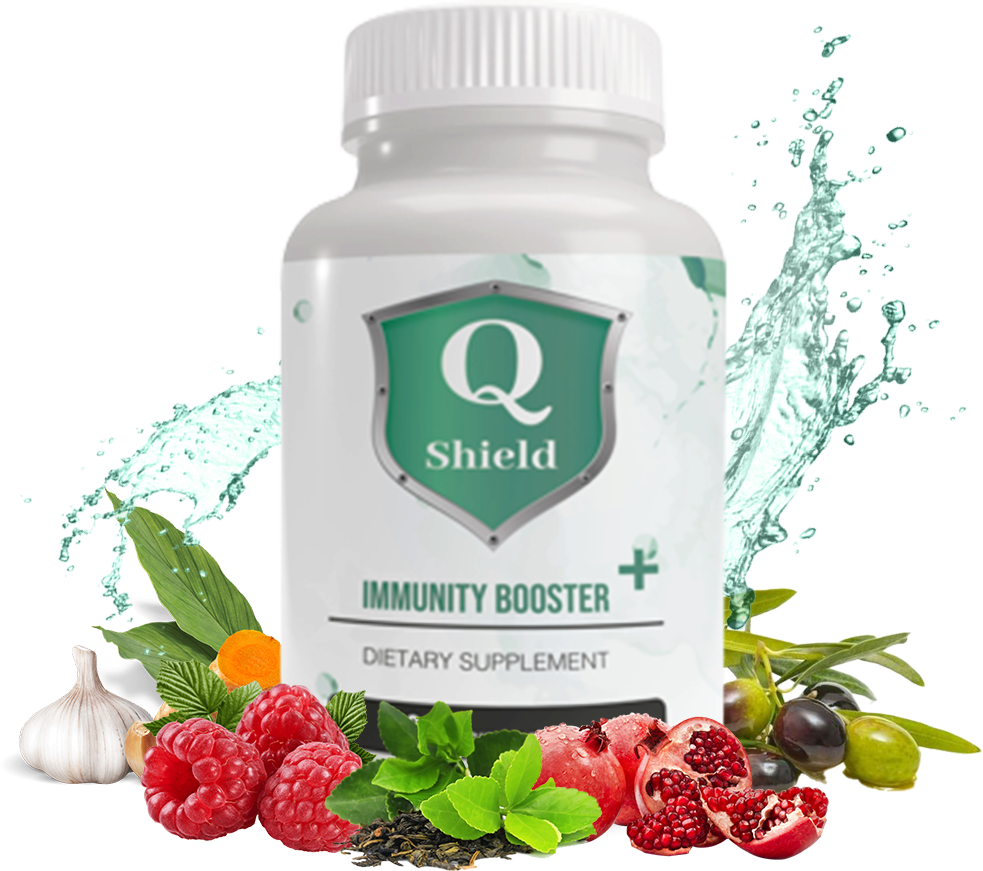
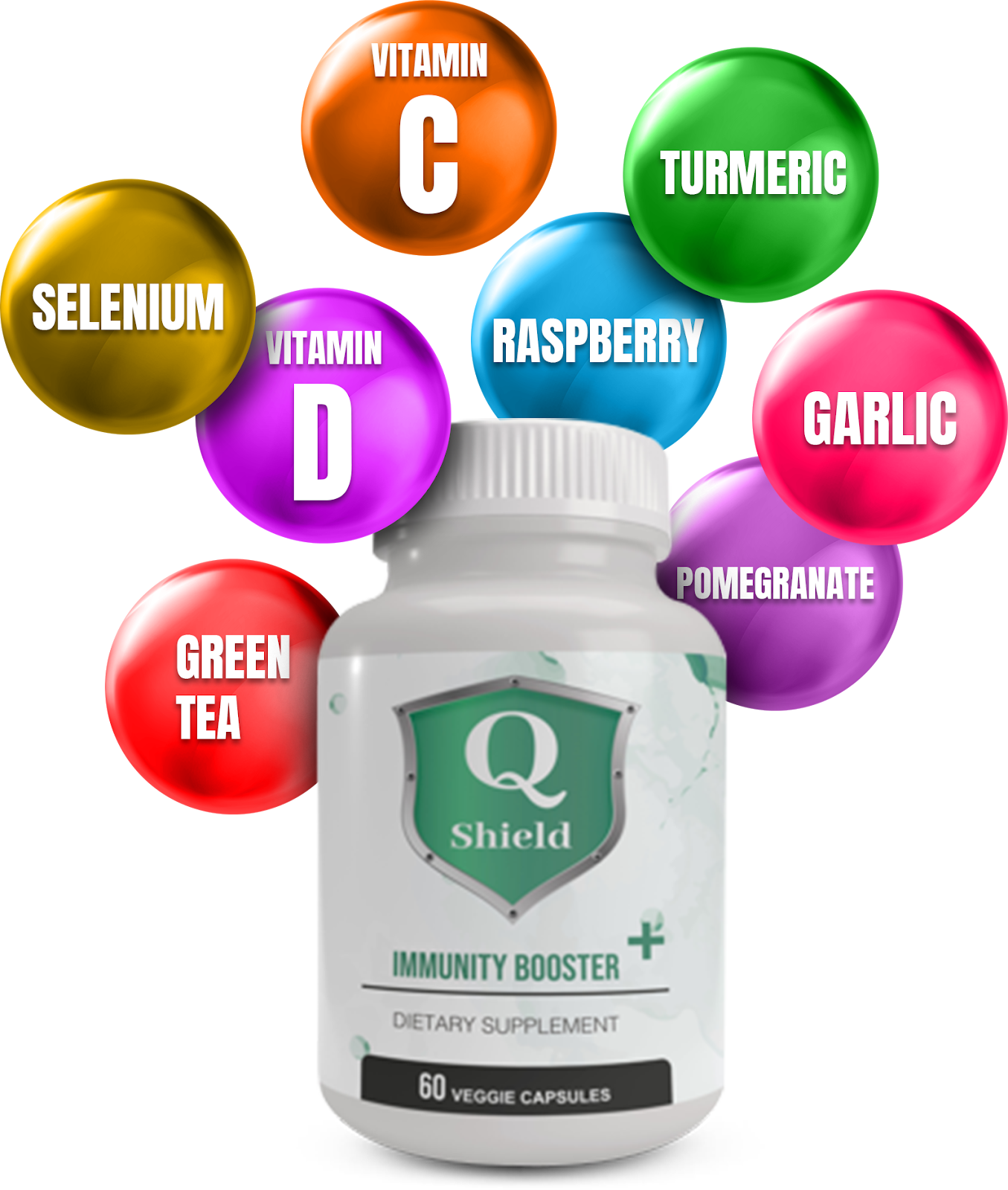
Q Shield Immunity Booster is a dietary supplement in capsule form, designed to offer nutritional support to the body’s immune system. In the product descriptions available, the formula is connected with ingredients like ingredients such as vitamin C, zinc, echinacea, turmeric, ginger and ashwagandha. Supplement formulations can be updated, so the exact formulation, serving size and amounts should be verified against the current product label.
The purpose of a product such as Q Shield Immunity Booster is usually to augment the dietary supply of nutrients. Vitamins and minerals are required for many physiological processes including proper immune cell function and normal tissue upkeep. Botanical ingredients are often featured because they contain bioactive substances that are being researched for their antioxidant, anti-inflammatory and other potential biological properties.
Do not confuse the term immune booster with a medicine that directly fortifies immunity against a given infection. The immune system is intricate, and more immune activity isn’t necessarily desirable. Supplements may deliver nutrients that are associated with normal immune function, but they do not necessarily prevent infections or shield against illness.
Understanding How It Works
The proposed effect of Q Shield Immunity Booster is based on individual ingredients rather than on a singular mechanism. For example, Vitamin C is an essential nutrient for immune function and the body's antioxidant defenses. Zinc is also needed for normal immune function and various cellular activities. If a person has a lower intake of these nutrients, it can be beneficial to obtain adequate nutritional intake to maintain normal body processes.
Click image to learn more
Botanical ingredients can function in a variety of biological pathways. Echinacea has been examined for respiratory illnesses, but the results have been variable, depending on the preparation used and what was being measured. Turmeric contains bioactive curcuminoids, which have been researched for biological effects associated with inflammatory processes and oxidative stress, while ginger contains compounds that have been studied for effects on inflammation and gastrointestinal processes.
Ashwagandha is a herbal ingredient used in several systems of traditional medicine, and has been researched for a number of possible biological effects, including outcomes related to stress. These results do not demonstrate that a combination supplement like Q Shield Immunity Booster prevents illness or produces consistent outcomes in all people. Evidence for the individual ingredients should be separated from evidence for the finished product itself.
Possible Advantages
Q Shield Immunity Booster may provide nutritional support for healthy immune function. Vitamins and minerals such as vitamin C and zinc have recognized physiological functions, and adequate intake is important. The greatest practical benefit from supplementation may be when someone's diet is low in a specific nutrient. Those already consuming sufficient amounts may see minimal added benefit from taking more.
It could also contribute to broader nutritional support through its combination of nutrients and plant compounds. For example, turmeric and ginger are naturally contain natural compounds that have been researched for their possible antioxidant and inflammation-related benefits. But lab results or studies of individual ingredients aren’t necessarily evidence that the complete Q Shield Immunity Booster formula has a meaningful clinical effect.
Some consumers may also prefer the practicality of getting multiple ingredients in a single capsule, rather than using several separate supplements. But just because something is accessible doesn’t mean it’s more effective. When a product contains more than one ingredient, it can be complicated to identify which ingredient is causing an response or an unwanted reaction, and some combinations may deliver nutrients a person already gets enough of.
Expectations should remain especially realistic regarding preventing infections. No dietary supplement can replace such measures as routine immunisations, hand washing, enough sleep, balanced nutrition, and proper medical treatment when sick. Evidence of potential benefits for everyday immune maintenance should not be interpreted as proof of preventing or curing particular infections.
Click image to learn more
Possible Drawbacks and Risks
One of the key drawbacks is that the evidence for the individual compounds is not the same as the evidence for the finished product. Results of studies on vitamin C, zinc, echinacea, turmeric, ginger or ashwagandha should not automatically be extended to the product as a whole unless a specific Q Shield Immunity Booster formulation has been examined in controlled clinical research.
Supplements can also produce adverse reactions or affect medications. Excess zinc intake may produce nausea, and long-term consumption of large amounts may change the body's copper status. Some people have stomach-related symptoms when taking large amounts of vitamin C supplements. Herbal ingredients can also cause unwanted effects or interact with medicines. If you are pregnant or currently breastfeeding, have a chronic health issue, or are taking doctor-prescribed medications or considering supplements for a child, consult a qualified healthcare professional about the particular product and dosage.
Another aspect to take into account is the combined nutritional intake. Consumers may already consume vitamin C, zinc or other nutrients from fortified foods or other nutritional products. Combining multiple products can unintentionally raise nutrient intake to above established intake limits. You can identify whether nutrients are being duplicated by examining the entire Supplement Facts section and reviewing it alongside other supplements.
Reader Guidance
Those adults who want a convenient option of several nutrients and botanical ingredients connected with everyday well-being may find Q Shield Immunity Booster useful to consider. This may be particularly true for people whose nutrition patterns make it difficult to get enough of certain nutrients. Supplementation may or may not be beneficial depending on the person's usual nutrition and personal situation.
People with health conditions, who regularly take prescribed or over-the-counter medications, or have been told to avoid specific nutrients should be careful when considering supplementation. Herbal ingredients may have medication-like effects, and nutrient supplements may affect certain medications. A health care professional can help determine whether the ingredients and doses are appropriate for the individual.
Introduction
Q Shield Immunity Booster is a supplement intended to provide general support for immune health. Typical supplements in this category include vitamins, minerals, herbs and other nutrients associated with routine immune system activity. Q Shield Immunity Booster is offered in capsule form and is supposed to be taken regularly, not as a treatment for an disease or acute illness.
As health-conscious consumers look for accessible methods to support their overall wellness, interest in immune-support supplements has increased. But there’s a meaningful distinction between correcting inadequate nutrient intake and taking supplements when nutritional intake is already adequate. In this article, we will explore what Q Shield Immunity Booster is, how its claimed ingredients might work, its potential benefits and drawbacks, general safety factors, other options, and frequently asked questions regarding everyday immune health.
Readers should also keep in mind that dietary supplements are not replacements for vaccination, proper medical care, adequate nutrition, sleep, or other well-established practices for preserving overall wellness. Individual supplement results may also be different depending on diet, age, existing health factors, medications and personal nutritional needs.
Learn More About Q Shield Immunity Booster →
About the Formula
Q Shield Immunity Booster is a dietary supplement in capsule form, designed to offer nutritional support to the body’s immune system. In the product descriptions available, the formula is connected with ingredients like ingredients such as vitamin C, zinc, echinacea, turmeric, ginger and ashwagandha. Supplement formulations can be updated, so the exact formulation, serving size and amounts should be verified against the current product label.
The purpose of a product such as Q Shield Immunity Booster is usually to augment the dietary supply of nutrients. Vitamins and minerals are required for many physiological processes including proper immune cell function and normal tissue upkeep. Botanical ingredients are often featured because they contain bioactive substances that are being researched for their antioxidant, anti-inflammatory and other potential biological properties.
Do not confuse the term immune booster with a medicine that directly fortifies immunity against a given infection. The immune system is intricate, and more immune activity isn’t necessarily desirable. Supplements may deliver nutrients that are associated with normal immune function, but they do not necessarily prevent infections or shield against illness.
Understanding How It Works
The proposed effect of Q Shield Immunity Booster is based on individual ingredients rather than on a singular mechanism. For example, Vitamin C is an essential nutrient for immune function and the body's antioxidant defenses. Zinc is also needed for normal immune function and various cellular activities. If a person has a lower intake of these nutrients, it can be beneficial to obtain adequate nutritional intake to maintain normal body processes.
Click image to learn more
Botanical ingredients can function in a variety of biological pathways. Echinacea has been examined for respiratory illnesses, but the results have been variable, depending on the preparation used and what was being measured. Turmeric contains bioactive curcuminoids, which have been researched for biological effects associated with inflammatory processes and oxidative stress, while ginger contains compounds that have been studied for effects on inflammation and gastrointestinal processes.
Ashwagandha is a herbal ingredient used in several systems of traditional medicine, and has been researched for a number of possible biological effects, including outcomes related to stress. These results do not demonstrate that a combination supplement like Q Shield Immunity Booster prevents illness or produces consistent outcomes in all people. Evidence for the individual ingredients should be separated from evidence for the finished product itself.
Possible Advantages
Q Shield Immunity Booster may provide nutritional support for healthy immune function. Vitamins and minerals such as vitamin C and zinc have recognized physiological functions, and adequate intake is important. The greatest practical benefit from supplementation may be when someone's diet is low in a specific nutrient. Those already consuming sufficient amounts may see minimal added benefit from taking more.
It could also contribute to broader nutritional support through its combination of nutrients and plant compounds. For example, turmeric and ginger are naturally contain natural compounds that have been researched for their possible antioxidant and inflammation-related benefits. But lab results or studies of individual ingredients aren’t necessarily evidence that the complete Q Shield Immunity Booster formula has a meaningful clinical effect.
Some consumers may also prefer the practicality of getting multiple ingredients in a single capsule, rather than using several separate supplements. But just because something is accessible doesn’t mean it’s more effective. When a product contains more than one ingredient, it can be complicated to identify which ingredient is causing an response or an unwanted reaction, and some combinations may deliver nutrients a person already gets enough of.
Expectations should remain especially realistic regarding preventing infections. No dietary supplement can replace such measures as routine immunisations, hand washing, enough sleep, balanced nutrition, and proper medical treatment when sick. Evidence of potential benefits for everyday immune maintenance should not be interpreted as proof of preventing or curing particular infections.
Click image to learn more
Possible Drawbacks and Risks
One of the key drawbacks is that the evidence for the individual compounds is not the same as the evidence for the finished product. Results of studies on vitamin C, zinc, echinacea, turmeric, ginger or ashwagandha should not automatically be extended to the product as a whole unless a specific Q Shield Immunity Booster formulation has been examined in controlled clinical research.
Supplements can also produce adverse reactions or affect medications. Excess zinc intake may produce nausea, and long-term consumption of large amounts may change the body's copper status. Some people have stomach-related symptoms when taking large amounts of vitamin C supplements. Herbal ingredients can also cause unwanted effects or interact with medicines. If you are pregnant or currently breastfeeding, have a chronic health issue, or are taking doctor-prescribed medications or considering supplements for a child, consult a qualified healthcare professional about the particular product and dosage.
Another aspect to take into account is the combined nutritional intake. Consumers may already consume vitamin C, zinc or other nutrients from fortified foods or other nutritional products. Combining multiple products can unintentionally raise nutrient intake to above established intake limits. You can identify whether nutrients are being duplicated by examining the entire Supplement Facts section and reviewing it alongside other supplements.
Reader Guidance
Those adults who want a convenient option of several nutrients and botanical ingredients connected with everyday well-being may find Q Shield Immunity Booster useful to consider. This may be particularly true for people whose nutrition patterns make it difficult to get enough of certain nutrients. Supplementation may or may not be beneficial depending on the person's usual nutrition and personal situation.
People with health conditions, who regularly take prescribed or over-the-counter medications, or have been told to avoid specific nutrients should be careful when considering supplementation. Herbal ingredients may have medication-like effects, and nutrient supplements may affect certain medications. A health care professional can help determine whether the ingredients and doses are appropriate for the individual.
