


Teddy Daniels Reviews: A In-Depth Review of Fatal Blackout
Getting Started
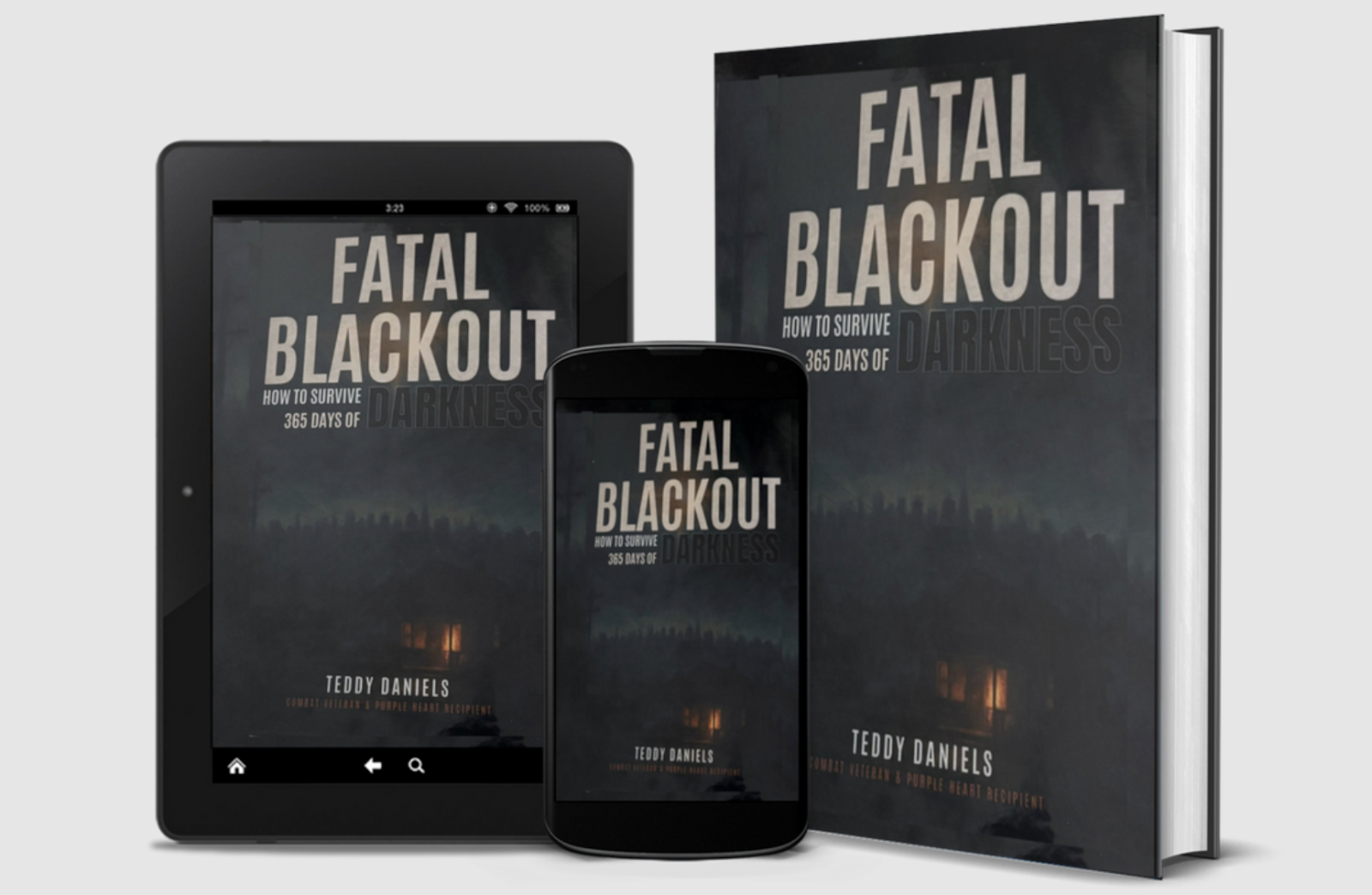
Fatal Blackout Teddy Daniels Reviews generally discuss a survival guide for those who are looking into dealing with extended power failures and broader grid-down situations. Fatal Blackout does not appear to be an emergency item to keep on hand but is presented as a planning resource or survival manual on preparedness planning, needed supplies, decision making and how to be better prepared for situations that may cause ordinary public systems to become unavailable.
This article explains the purpose of Teddy Daniels’ Fatal Blackout book, how its framework works and what advantages and drawbacks it may have, and how it compares with existing preparedness materials. Remember that personal reviews are based on different experiences and priorities and should be considered alongside objective preparedness principles—not as evidence that every strategy in a guide will work for every household.
For readers in the US, the broader context is important. Extended outages can disrupt communication, refrigeration, heating/cooling, transportation, banking and access to services. This means that good preparedness does not just mean consulting one book, and may mean modifying emergency plans to local weather, geography, household needs and the resources available in the community.
Learn More About Fatal Blackout Teddy Daniels Reviews →
The Guide Is Complete.
In online discussions, Fatal Blackout is characterized as a survival and preparedness guide associated with Teddy Daniels. At the heart of it, it's about the danger of protracted blackouts of the electrical grid, and the practical problems that can arise when homes can't count on standard utilities and infrastructure. The idea is more than just having flashlights for a limited power disruption.
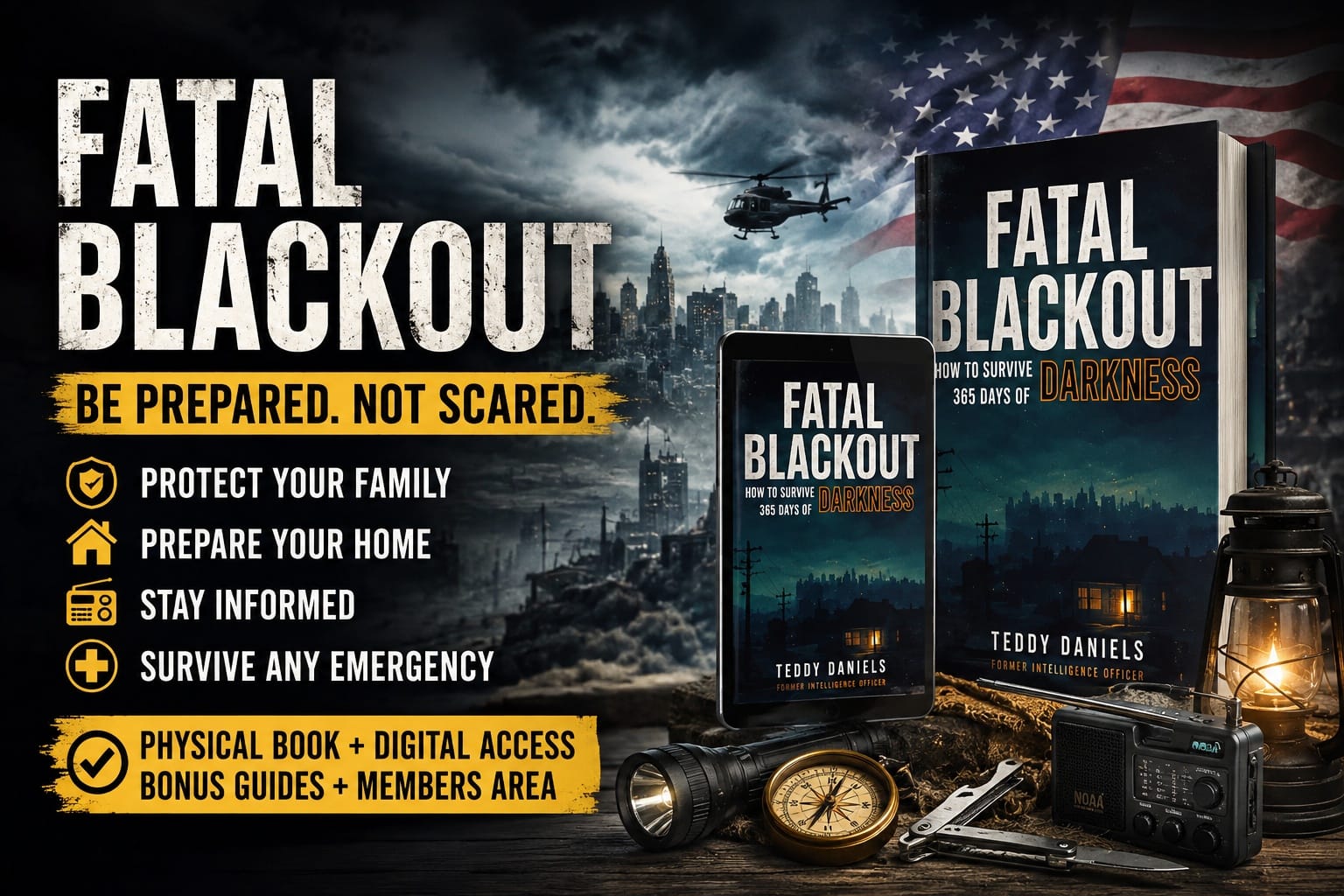
Teddy Daniels’ book The Fatal Blackout is created for readers with a readiness-oriented outlook who want to work through scenarios of long-lasting power disruptions and associated interruptions. Family planning Fundamental requirements Food and water planning Ways to communicate Household safety Staying functional when normal services are not available Descriptions and reviews may examine topics such as:
It is important to tell apart an emergency preparedness guide from an government emergency-management manual. A non-government publication can help to organise ideas and real-world situations, but it does not automatically replace guidance from organisations such as federal, state or local emergency-management authorities. Therefore recommendations made should be assessed according to established safety principles and the personal circumstances involved.
How This Works
Unlike a supplement, appliance or emergency device, Fatal Blackout has no mechanical operation or active compound. Its approach is primarily educational: the reader learns to use the information to spot weak points, arrange available resources and prepare contingency strategies. The value of such a guide therefore is strongly influenced by the quality and accuracy of its content and on the extent to which the reader can practically use it.
Preparedness planning usually breaks a major emergency down into individual choices. If there is no cell or internet service, a family may want to evaluate how they would access drinking water, preserve food, maintain communication, maintain medication routines, manage heating or cooling needs, maintain access to light, and keep in contact with household members. A guide can give a framework for evaluating these questions, but it cannot eliminate the coordination difficulties in a genuine emergency.
Click image to learn more
Fatal Blackout Teddy Daniels Reviews Often the focus is on the guide’s overview of long-term grid-down situations. That focus can be beneficial for readers making preparations for lengthy electricity failures, though prolonged crises are inherently unpredictable. Weather, infrastructure damage, the response of municipal agencies, household composition, and the time an outage lasts can all influence what reasonable preparations look like.
Possible Advantages
The benefit could be organisation and structure. There could be a survival guide. Trying to think through all the various disaster scenarios at once can be challenging. A good book will break down the broad concerns into key concerns including water, food, communications, sanitation, lighting, transport and household preparedness. This might allow the readers to recognise some preparedness gaps they had not considered before.
Another possible benefit is to approach planning through specific situations. Short power outages require different preparations than ones lasting several days or interfering with different types of infrastructure. Fatal Blackout may lead readers to think through longer-term scenarios and essential connections that are easy to ignore such as electronic payments, fuel availability, refrigeration or information availability.
A guide can also provide a useful conversation framework for households. They may need to settle on meeting places, how to communicate, responsibilities and priorities before an emergency takes place. But the benefits depend on the reader reviewing recommendations with current official guidance and adapting them to individual circumstances rather than using the book as a complete emergency plan.
Reviews can show whether readers find a guide to be understandable and well organised in practice, but reviews have limitations. A good review does not imply the reviewer has actually used all of their recommendations. A bad review might be influenced by expectations that are not aligned with the book’s purpose. Thus, Fatal Blackout reviews are personal impressions of the reading experience, not definitive evidence of effectiveness in an genuine crisis.
Potential Limitations and Risks
The biggest problem with any general survival guide is that emergencies are widely varied. A household in Florida may be more worried about outages related to hurricanes and extreme heat, while a household in Minnesota may be more concerned with outages related to winter heating. “People living in rural areas may face distinct transportation and communication challenges than those in densely populated cities. Therefore, generic advice may need to be substantially adapted.
There are also safety concerns when readers take preparedness material too literally. Improper use of generators, fuel, candles, heating equipment, or alternative cooking appliances can present fire and carbon monoxide hazards. And, if you neglect containers, temperatures, sanitation practices, or expiration periods, food and water storage can become unsuitable as well. Emergency planning should not lead to the use of ad hoc techniques for established safety advice.
Click image to learn more
Fatal Blackout reviews and complaints may also address questions about the difference between expectations and what a book can reasonably offer. No manual can guarantee personal safety, uninterrupted supplies, successful communications or continuing access to vital services. Readers also should watch for unsupported claims, dramatic predictions or advice that runs counter to emergency authorities, utility providers or qualified professionals.
Who May Benefit From It
Fatal Blackout may attract adults looking for a guided introduction to preparedness for a lengthy blackout, or those who want to reassess their household emergency plans. It may be of particular interest to readers who have mostly planned for temporary power failures and want to think about situations with longer outages.
But, readers should be cautious, the guide should not be treated as a substitute for professional emergency guidance. Personal emergency planning may be needed for people with complicated care needs, disabilities, young children, older adults or other circumstances. Local emergency-management resources can also provide information on hazards and services specific to a community.
Getting Started
Fatal Blackout Teddy Daniels Reviews generally discuss a survival guide for those who are looking into dealing with extended power failures and broader grid-down situations. Fatal Blackout does not appear to be an emergency item to keep on hand but is presented as a planning resource or survival manual on preparedness planning, needed supplies, decision making and how to be better prepared for situations that may cause ordinary public systems to become unavailable.
This article explains the purpose of Teddy Daniels’ Fatal Blackout book, how its framework works and what advantages and drawbacks it may have, and how it compares with existing preparedness materials. Remember that personal reviews are based on different experiences and priorities and should be considered alongside objective preparedness principles—not as evidence that every strategy in a guide will work for every household.
For readers in the US, the broader context is important. Extended outages can disrupt communication, refrigeration, heating/cooling, transportation, banking and access to services. This means that good preparedness does not just mean consulting one book, and may mean modifying emergency plans to local weather, geography, household needs and the resources available in the community.
Learn More About Fatal Blackout Teddy Daniels Reviews →
The Guide Is Complete.
In online discussions, Fatal Blackout is characterized as a survival and preparedness guide associated with Teddy Daniels. At the heart of it, it's about the danger of protracted blackouts of the electrical grid, and the practical problems that can arise when homes can't count on standard utilities and infrastructure. The idea is more than just having flashlights for a limited power disruption.
Teddy Daniels’ book The Fatal Blackout is created for readers with a readiness-oriented outlook who want to work through scenarios of long-lasting power disruptions and associated interruptions. Family planning Fundamental requirements Food and water planning Ways to communicate Household safety Staying functional when normal services are not available Descriptions and reviews may examine topics such as:
It is important to tell apart an emergency preparedness guide from an government emergency-management manual. A non-government publication can help to organise ideas and real-world situations, but it does not automatically replace guidance from organisations such as federal, state or local emergency-management authorities. Therefore recommendations made should be assessed according to established safety principles and the personal circumstances involved.
How This Works
Unlike a supplement, appliance or emergency device, Fatal Blackout has no mechanical operation or active compound. Its approach is primarily educational: the reader learns to use the information to spot weak points, arrange available resources and prepare contingency strategies. The value of such a guide therefore is strongly influenced by the quality and accuracy of its content and on the extent to which the reader can practically use it.
Preparedness planning usually breaks a major emergency down into individual choices. If there is no cell or internet service, a family may want to evaluate how they would access drinking water, preserve food, maintain communication, maintain medication routines, manage heating or cooling needs, maintain access to light, and keep in contact with household members. A guide can give a framework for evaluating these questions, but it cannot eliminate the coordination difficulties in a genuine emergency.
Click image to learn more
Fatal Blackout Teddy Daniels Reviews Often the focus is on the guide’s overview of long-term grid-down situations. That focus can be beneficial for readers making preparations for lengthy electricity failures, though prolonged crises are inherently unpredictable. Weather, infrastructure damage, the response of municipal agencies, household composition, and the time an outage lasts can all influence what reasonable preparations look like.
Possible Advantages
The benefit could be organisation and structure. There could be a survival guide. Trying to think through all the various disaster scenarios at once can be challenging. A good book will break down the broad concerns into key concerns including water, food, communications, sanitation, lighting, transport and household preparedness. This might allow the readers to recognise some preparedness gaps they had not considered before.
Another possible benefit is to approach planning through specific situations. Short power outages require different preparations than ones lasting several days or interfering with different types of infrastructure. Fatal Blackout may lead readers to think through longer-term scenarios and essential connections that are easy to ignore such as electronic payments, fuel availability, refrigeration or information availability.
A guide can also provide a useful conversation framework for households. They may need to settle on meeting places, how to communicate, responsibilities and priorities before an emergency takes place. But the benefits depend on the reader reviewing recommendations with current official guidance and adapting them to individual circumstances rather than using the book as a complete emergency plan.
Reviews can show whether readers find a guide to be understandable and well organised in practice, but reviews have limitations. A good review does not imply the reviewer has actually used all of their recommendations. A bad review might be influenced by expectations that are not aligned with the book’s purpose. Thus, Fatal Blackout reviews are personal impressions of the reading experience, not definitive evidence of effectiveness in an genuine crisis.
Potential Limitations and Risks
The biggest problem with any general survival guide is that emergencies are widely varied. A household in Florida may be more worried about outages related to hurricanes and extreme heat, while a household in Minnesota may be more concerned with outages related to winter heating. “People living in rural areas may face distinct transportation and communication challenges than those in densely populated cities. Therefore, generic advice may need to be substantially adapted.
There are also safety concerns when readers take preparedness material too literally. Improper use of generators, fuel, candles, heating equipment, or alternative cooking appliances can present fire and carbon monoxide hazards. And, if you neglect containers, temperatures, sanitation practices, or expiration periods, food and water storage can become unsuitable as well. Emergency planning should not lead to the use of ad hoc techniques for established safety advice.
Click image to learn more
Fatal Blackout reviews and complaints may also address questions about the difference between expectations and what a book can reasonably offer. No manual can guarantee personal safety, uninterrupted supplies, successful communications or continuing access to vital services. Readers also should watch for unsupported claims, dramatic predictions or advice that runs counter to emergency authorities, utility providers or qualified professionals.
Who May Benefit From It
Fatal Blackout may attract adults looking for a guided introduction to preparedness for a lengthy blackout, or those who want to reassess their household emergency plans. It may be of particular interest to readers who have mostly planned for temporary power failures and want to think about situations with longer outages.
But, readers should be cautious, the guide should not be treated as a substitute for professional emergency guidance. Personal emergency planning may be needed for people with complicated care needs, disabilities, young children, older adults or other circumstances. Local emergency-management resources can also provide information on hazards and services specific to a community.

